
Navigating the Evolution of Modern Car Culture: A Journey Through Time and Trends
In the vast landscape of contemporary society, one aspect that remains a steadfast emblem of freedom, status, and innovation is the world of automobiles. Modern car culture encapsulates a dynamic blend of tradition and innovation, reflecting societal shifts, technological advancements, and individual expressions of identity. From the iconic muscle cars of the 1960s to the sleek, electric vehicles of today, the evolution of car culture is a fascinating journey through time and trends.
At its core, modern car culture is deeply rooted in the human desire for mobility and self-expression. The automobile has long served as a symbol of freedom, enabling individuals to explore new horizons and transcend geographical boundaries. In the early 20th century, the mass production of automobiles revolutionized transportation, paving the way for the emergence of a vibrant car culture characterized by road trips, drag races, and a sense of adventure.
Throughout the decades, car culture has undergone numerous transformations, reflecting changing societal values and technological advancements. In the 1950s and 1960s, the rise of muscle cars epitomized America’s obsession with speed and power. Iconic models such as the Ford Mustang and Chevrolet Camaro became emblematic of youth rebellion and automotive excellence, capturing the imaginations of generations of enthusiasts.
As we moved into the late 20th and early 21st centuries, concerns about environmental sustainability and fuel efficiency began to shape the landscape of car culture. The emergence of hybrid and electric vehicles signaled a shift towards more eco-conscious transportation options. Brands like Tesla disrupted the industry with their sleek designs and cutting-edge technology, appealing to consumers who sought both performance and sustainability.
In addition to technological innovations, social media has played a significant role in shaping modern car culture. Platforms like Instagram and YouTube have provided enthusiasts with a virtual space to share their passion for automobiles, from custom builds and restoration projects to car meets and rallies. These online communities have facilitated connections between like-minded individuals and contributed to the democratization of car culture, making it more accessible and inclusive than ever before.
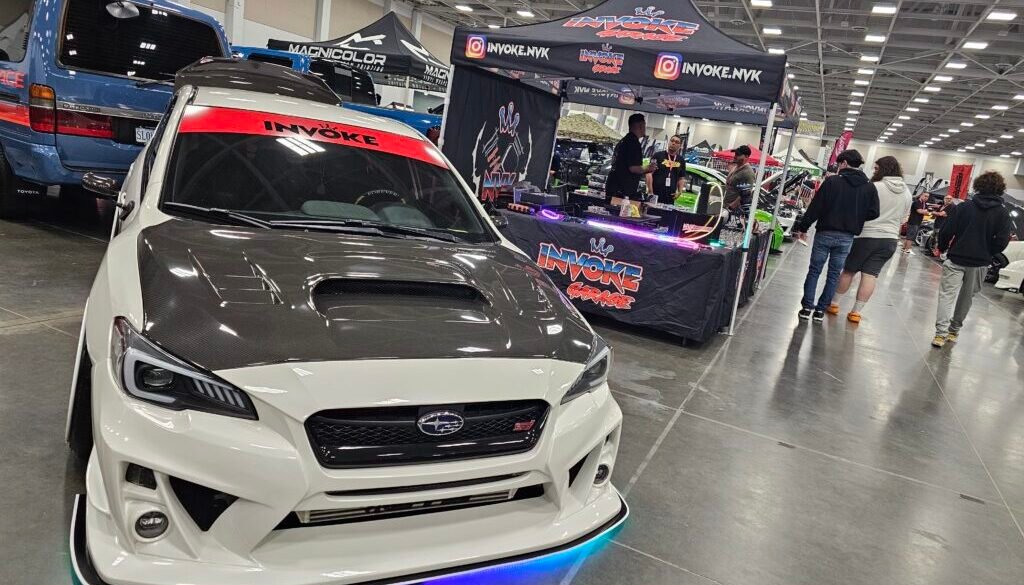
Today, modern car culture is a diverse tapestry of styles, tastes, and interests. From classic car restoration to import tuning and off-roading, enthusiasts have a plethora of avenues through which to express their automotive passions. Car shows and events attract thousands of participants and spectators each year, showcasing the creativity and craftsmanship of builders from around the world.
However, amidst the excitement and innovation, challenges remain. The automotive industry faces ongoing pressures to reduce emissions, improve safety, and embrace emerging technologies such as autonomous driving. Additionally, the rise of ride-sharing services and urbanization has led some to question the future of car ownership and traditional notions of automotive culture.
Despite these challenges, the spirit of car culture endures, fueled by a shared love of the open road and the thrill of the drive. Whether cruising down the highway in a vintage hot rod or navigating city streets in a cutting-edge electric vehicle, the passion for automobiles transcends generations and boundaries.
In conclusion, modern car culture is a reflection of our collective fascination with mobility, innovation, and individuality. From the roar of a classic V8 engine to the silent hum of an electric motor, the evolution of car culture is a testament to the enduring power of human ingenuity and the timeless allure of the automobile. As we continue to navigate the road ahead, one thing remains certain: the journey is as important as the destination

