
Exploring American Car Culture: A Deep-Rooted Passion for Performance and Freedom
American car culture is a vibrant and deeply ingrained aspect of the nation’s identity. From the roaring engines of muscle cars to the open roads of Route 66, cars have played a significant role in shaping the American lifestyle, economy, and pop culture. For decades, the automobile has been more than just a means of transportation; it’s a symbol of freedom, individuality, and innovation. But what exactly defines American car culture, and how did it evolve into the global powerhouse it is today?
The Birth of American Car Culture
Car culture in the United States began taking shape in the early 20th century when Ford’s Model T revolutionized personal transportation. This was the first mass-produced car, making automobiles affordable and accessible to a wider audience. The ability to travel freely and independently sparked a sense of liberation, and the car quickly became a staple of American life.
By the 1950s, American car culture began to take on a distinct personality. The booming post-World War II economy, coupled with the rise of suburban living, meant more Americans were buying cars than ever before. This was the era of the “family car,” where the vehicle became a means of expression, showcasing a blend of style, comfort, and performance. The 1950s also marked the beginning of the American car obsession with design, where car manufacturers competed fiercely for bold and innovative styling, with features like tailfins, chrome detailing, and two-tone paint jobs.
The Muscle Car Era
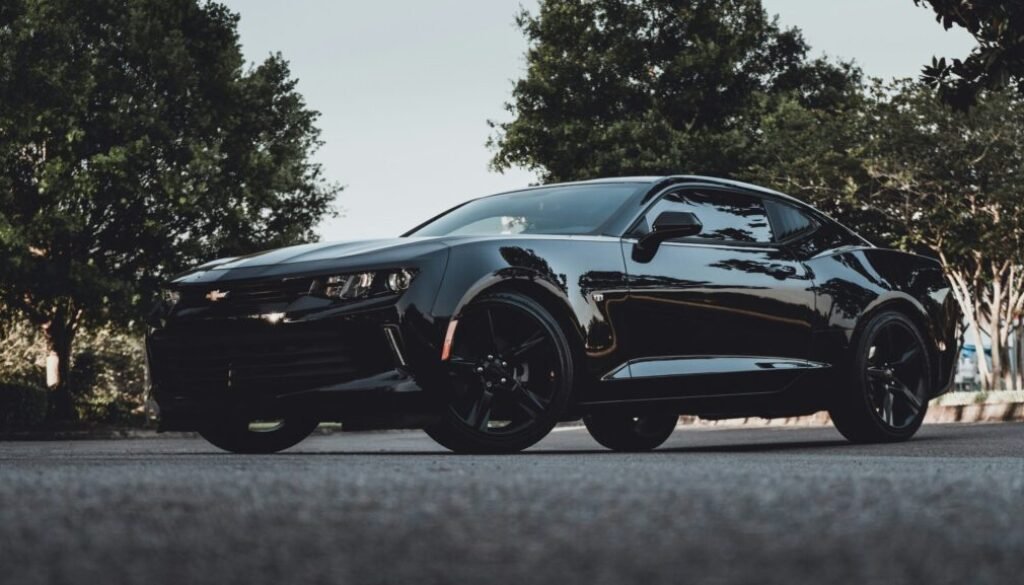
The 1960s and early 1970s witnessed the emergence of the “muscle car,” a quintessentially American automotive archetype. These cars, including the Chevrolet Camaro, Ford Mustang, and Dodge Charger, were built for performance. Powered by big V8 engines and designed for speed, muscle cars became the embodiment of American car culture. They were fast, loud, and unapologetically powerful, and they quickly found a dedicated following.
The muscle car craze wasn’t just about performance—it was about rebellion, freedom, and expressing one’s individuality. Cars like the Mustang and the Charger became icons, not only in the automotive world but also in Hollywood films and television. Movies like Bullitt (1968) and Gone in 60 Seconds (1974) cemented the muscle car as a symbol of the American spirit, with their high-speed chases and exhilarating car stunts.
Customization and Hot Rod Culture
While muscle cars were a mainstream phenomenon, American car culture also had a thriving underground scene centered around customization and hot rods. The hot rod culture, which began in the 1930s and 1940s, was fueled by a desire to modify and personalize cars to make them faster and more unique. The hot rod scene blossomed in the post-war era, with enthusiasts turning their attention to car customization, focusing on performance upgrades and aesthetic alterations.
The tradition of car modification continues today with custom car shows and street car racing being a central part of American car culture. From lifting trucks to lowriders, the love for personalizing and modifying vehicles is still a major element of the culture, allowing drivers to make a unique statement through their cars.
The Road Trip and Freedom
Perhaps one of the most iconic elements of American car culture is the road trip. The open road has long symbolized freedom and adventure in the United States. Route 66, the most famous American highway, became a symbol of exploration, with countless travelers hitting the road in search of new experiences and destinations. The concept of “road tripping” is deeply embedded in the American psyche, representing personal freedom, self-discovery, and the thrill of exploration.
Whether it’s a drive across the vast American Southwest or a weekend getaway to the beach, the car has always been a gateway to adventure. This idea of the car as a tool for discovery and personal freedom is a cornerstone of American car culture.
The Modern Era of American Car Culture
Today, American car culture remains as strong as ever, with new trends emerging alongside traditional ones. Modern muscle cars like the Dodge Challenger and Ford Mustang continue to uphold the legacy of American performance. Meanwhile, the rise of electric vehicles, like the Tesla Model S, is paving the way for the next generation of American automotive innovation.
Moreover, American car culture has expanded to include everything from the world of drifting to the growing popularity of off-roading and car rallies. Cars are no longer just about getting from point A to point B—they represent a lifestyle, a passion, and a commitment to pushing the limits of technology and design.
Conclusion
American car culture is an ever-evolving tapestry that blends performance, style, individuality, and freedom. From the muscle cars of the 1960s to the electric vehicles of today, the automobile remains a symbol of American ingenuity and spirit. Whether through classic car shows, custom modifications, or exhilarating road trips, American car culture continues to be a powerful force, driving the country’s automotive industry and inspiring enthusiasts around the world.

