
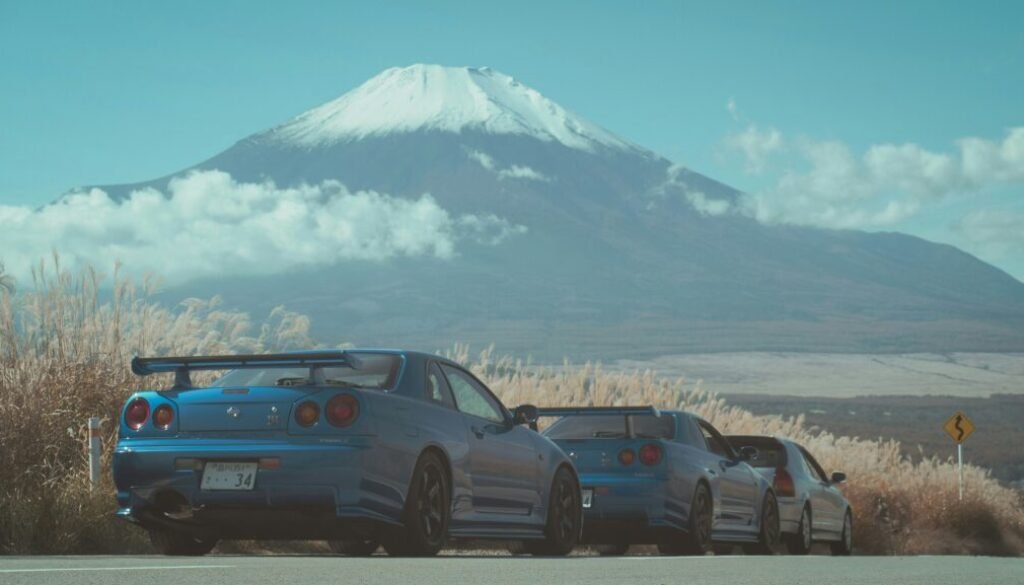
Exploring Japanese Car Culture: A Unique Blend of Tradition and Innovation
Japanese car culture is renowned worldwide for its distinctiveness, creativity, and passion. From street racing to meticulous tuning, the country’s love for cars goes far beyond the functional aspect of transportation. It’s a vibrant subculture that has influenced the global automotive industry in ways that few other countries have. But what makes Japanese car culture so unique? Let’s take a deeper dive into its history, its key elements, and its global influence.
The Birth of Japanese Car Culture
Japan’s automotive journey began in the early 20th century, with local companies like Toyota and Nissan developing their first cars. However, the car culture we recognize today didn’t start to blossom until the post-World War II era, when the country’s economy rapidly grew, and consumer culture began to flourish. By the 1960s, Japan’s car manufacturers had started to produce cars that combined affordability with advanced engineering, attracting a growing middle class.
As car ownership spread, so did the culture surrounding it. Japanese car enthusiasts began to express themselves through their vehicles, starting a trend that would evolve over decades. In the 1980s, iconic models like the Toyota Supra, Nissan Skyline, and Mazda RX-7 began to dominate the streets, setting the stage for Japan’s renowned tuning scene.
Street Racing and the Birth of the Drift Scene
One of the most famous aspects of Japanese car culture is its street racing scene, particularly the phenomenon of “touge” racing. The term “touge” refers to mountain roads, and this type of racing involves high-speed challenges on twisty, often dangerous, mountain routes. In the 1970s and 1980s, drivers, especially from rural areas, started to push their cars to the limit, seeking the thrill of testing their skills on these winding roads. This gave birth to what is now a globally recognized subculture, inspiring movies like The Fast and the Furious and the iconic anime Initial D.
From street racing emerged another key element of Japanese car culture: drifting. The art of drifting involves intentionally oversteering to make the car slide sideways through corners, and it gained significant popularity in the 1990s. Drivers like Keiichi Tsuchiya, known as the “Drift King,” were pivotal in popularizing the sport, and today, drifting is a competitive motorsport with worldwide acclaim.
JDM (Japanese Domestic Market) Tuning Scene
When it comes to modifying cars, few cultures embrace tuning like Japan. The Japanese Domestic Market (JDM) is a term used to describe cars that are produced specifically for the Japanese market, and these vehicles often serve as the foundation for some of the most popular tuning projects worldwide. Enthusiasts in Japan spend countless hours modifying their cars to enhance performance, appearance, and individuality.
JDM cars are often characterized by their minimalist designs, lightweight builds, and cutting-edge technology. The tuning scene emphasizes performance upgrades such as turbocharging, custom suspension systems, and aerodynamic body kits. Famous tuning companies like HKS, Tomei, and Blitz have become household names in the world of aftermarket car parts. The attention to detail in Japanese tuning is unmatched, with every aspect of the car being carefully modified to achieve a balance of form and function.
The Global Influence of Japanese Car Culture
Japanese car culture’s influence extends far beyond Japan’s borders. Brands like Subaru, Nissan, and Honda have developed a loyal global fanbase, and their cars often become blank canvases for tuners worldwide. Moreover, the distinct styling of Japanese cars, often highlighted by low stances, wide tires, and colorful liveries, has become a defining feature of the international car scene.
In addition to tuning, Japanese automotive engineering has made a massive impact on the global industry. Japan is home to some of the world’s most iconic cars, like the Nissan GT-R and Toyota Supra, which are not just performance legends but also symbols of automotive excellence.
Conclusion
Japanese car culture is a fascinating blend of tradition, innovation, and passion. From the street races in the mountains to the sleek, modified vehicles showcased in car shows, it represents a unique spirit of individuality and creativity. Whether you’re a gearhead or just an admirer, it’s clear that Japan’s automotive culture has left an indelible mark on the world. The future of Japanese car culture looks bright, as new generations of enthusiasts continue to push boundaries and redefine what’s possible on four wheels.
Photo by melih karaahmet on Unsplash

